For decades, nutrition research has relied on Food Frequency Questionnaires (FFQs), where participants are asked to remember what they ate weeks or months earlier. While widely used, these self-reported tools are inherently unreliable due to memory errors, inaccurate portion estimates, and reporting bias.
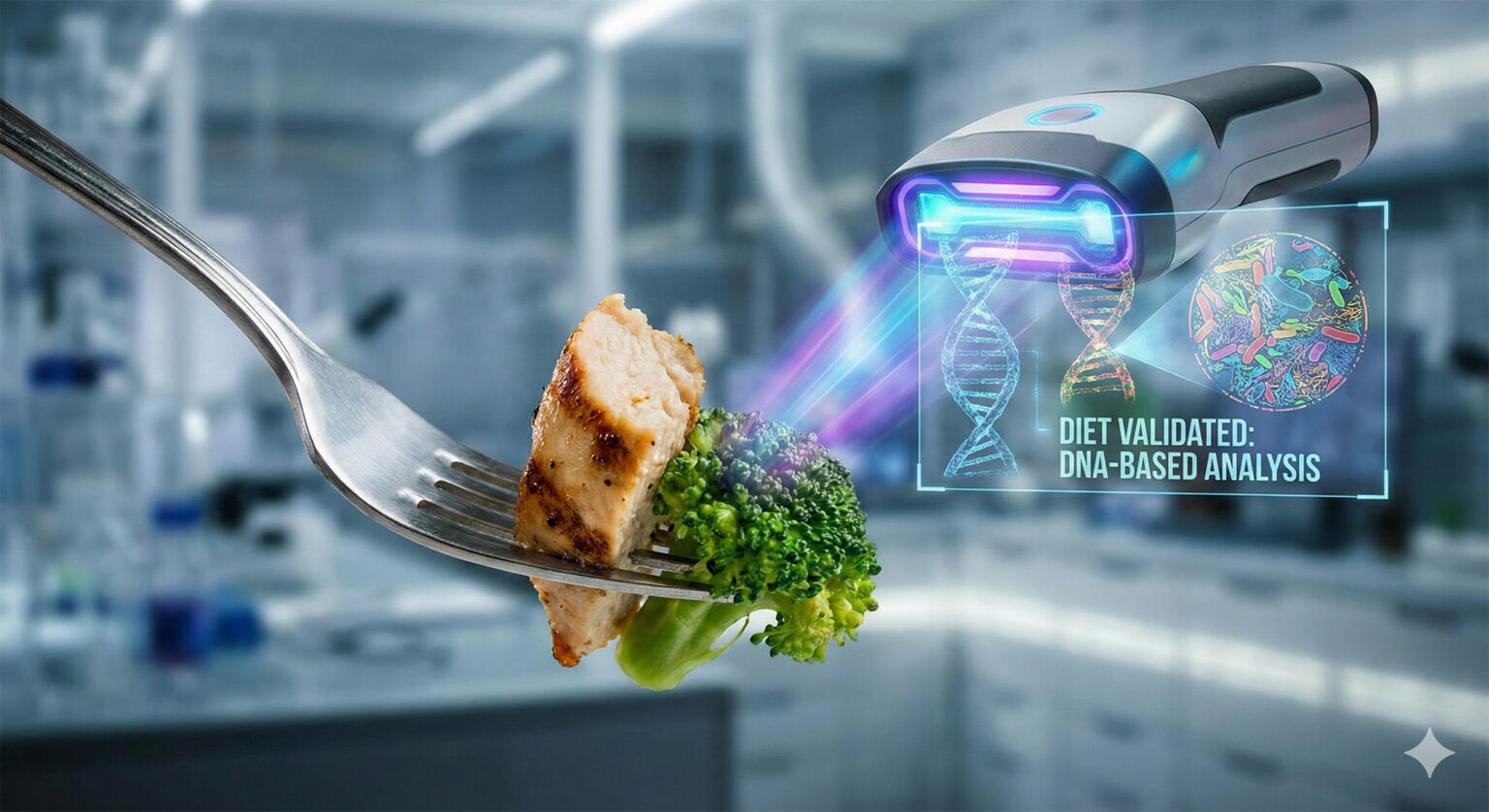
The Centre addresses these limitations using Deep Shotgun Metagenomics, a technology that sequences all DNA in a biological sample. This transforms the gut microbiome into an objective molecular record of dietary intake, independent of self-reporting.
Our approach enables:
- Direct food tracing: detection of trace DNA from consumed foods, allowing identification of specific ingredients such as walnuts.
- Fermented and processed food indicators: identification of food-associated microbes that reflect consumption of fermented and processed products.
- Dietary pattern assessment: functional gene profiling reveals whether the microbiome is adapted to diets rich in red meat, fiber, or complex carbohydrates
The value of this approach is demonstrated in the CHRIS study, a population-based cohort in South Tyrol. Metagenome-based dietary inference revealed an association between fatty liver disease and processed meat consumption. Evidence of meat processing was obtained through the detection of two mold species used exclusively in the curing of sausages and ham, providing molecular confirmation of cured meat intake.
By replacing subjective recall with objective molecular readouts, the Centre delivers more reliable data and stronger dietary validation for nutrition studies and clinical trials.